
How to Reduce Technical Debt Before It Slows Your Product
Every software project accumulates technical debt. A team may choose a quick solution to meet a deadline, postpone documentation, reuse an outdated component, or release a feature without fully reorganizing the surrounding code. These decisions are not always mistakes. In some situations, they are reasonable compromises that help a product reach users sooner.
The problem begins when temporary solutions become permanent parts of the system. Small shortcuts gradually make the codebase harder to understand, test, and modify. Developers spend more time investigating unexpected behavior, while apparently simple features require changes across several connected components.
What Technical Debt Really Means
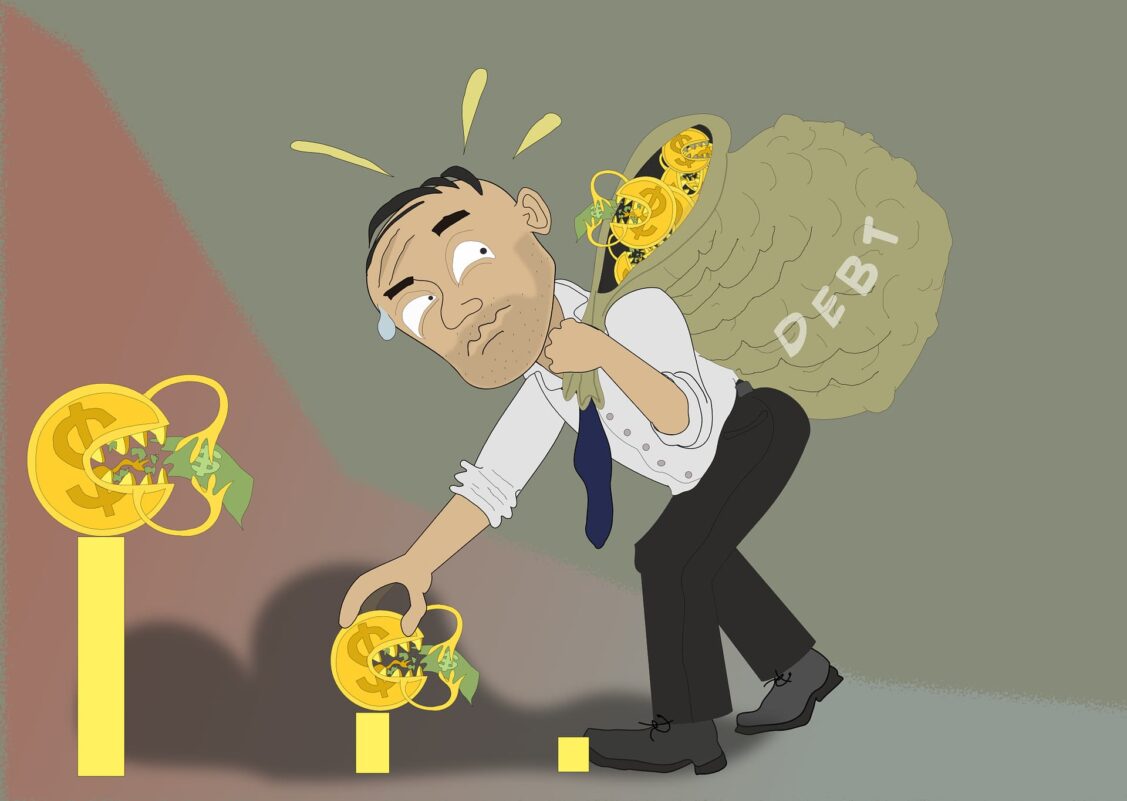
Technical debt describes the future cost created by choosing a faster or less complete solution today. Like financial debt, it may provide an immediate benefit, but it creates additional work that must eventually be addressed.
It can appear in many forms:
- duplicated code across multiple services;
- outdated libraries or frameworks;
- missing automated tests;
- unclear naming and inconsistent structure;
- incomplete technical documentation;
- tightly connected modules that are difficult to change;
- temporary fixes that remain in production for years.
Not all technical debt has the same cause. Some of it is intentional. A startup may release a basic version of a feature to test whether users need it before investing in a more complex architecture.
Other debt appears accidentally. Requirements may change, experienced developers may leave, or a system may grow far beyond its original purpose. Code that was suitable for a small application may become difficult to manage after the product gains new users, integrations, and features.
Understanding the source of the debt helps teams decide how urgently it should be addressed.
Recognize the Warning Signs
Technical debt is not always visible in a project management tool. It often reveals itself through everyday development problems.
One warning sign is that estimates become increasingly unreliable. A task that appears to require one day takes a week because developers discover hidden dependencies. Another sign is repeated regression: fixing one issue creates a new problem somewhere else.
Teams should also pay attention when:
- releases require long periods of manual testing;
- only one person understands an important component;
- developers avoid changing certain areas of the code;
- similar bugs continue to return;
- onboarding new team members takes too long;
- updating a dependency threatens to break the entire application.
These problems reduce development speed even when the team is working hard. Adding more developers may not solve the issue because a confusing architecture also increases communication and coordination costs.
Prioritize by Risk and Business Impact
Trying to repair every imperfect part of a codebase is rarely practical. Teams need to distinguish between inconvenient debt and dangerous debt.
Security weaknesses, unstable payment flows, data integrity risks, and components that frequently cause outages should receive high priority. Debt that blocks important product development may also require immediate attention.
Cosmetic inconsistencies or code in a rarely used feature can usually wait.
A simple prioritization process can consider four questions:
- How likely is the problem to cause failure?
- How serious would the consequences be?
- How often do developers work in this part of the system?
- Will the debt block planned features or infrastructure changes?
This approach keeps maintenance connected to product goals rather than treating refactoring as an isolated engineering preference.
Prevent New Debt From Growing Unnoticed
Code reviews, automated tests, architecture discussions, and clear definitions of completion help prevent unnecessary debt. Teams should also document intentional shortcuts and define when they will be reconsidered.
The goal is not perfect code. Software changes constantly, and today’s ideal solution may become outdated as user needs evolve. The goal is to make deliberate decisions and understand their future cost.
A healthy development team can explain where its technical debt exists, why it was accepted, and how it will be handled. When maintenance becomes a normal part of product work, the codebase remains easier to extend, releases become more predictable, and developers spend less time fighting problems created by earlier decisions.